City of Missoula, MT
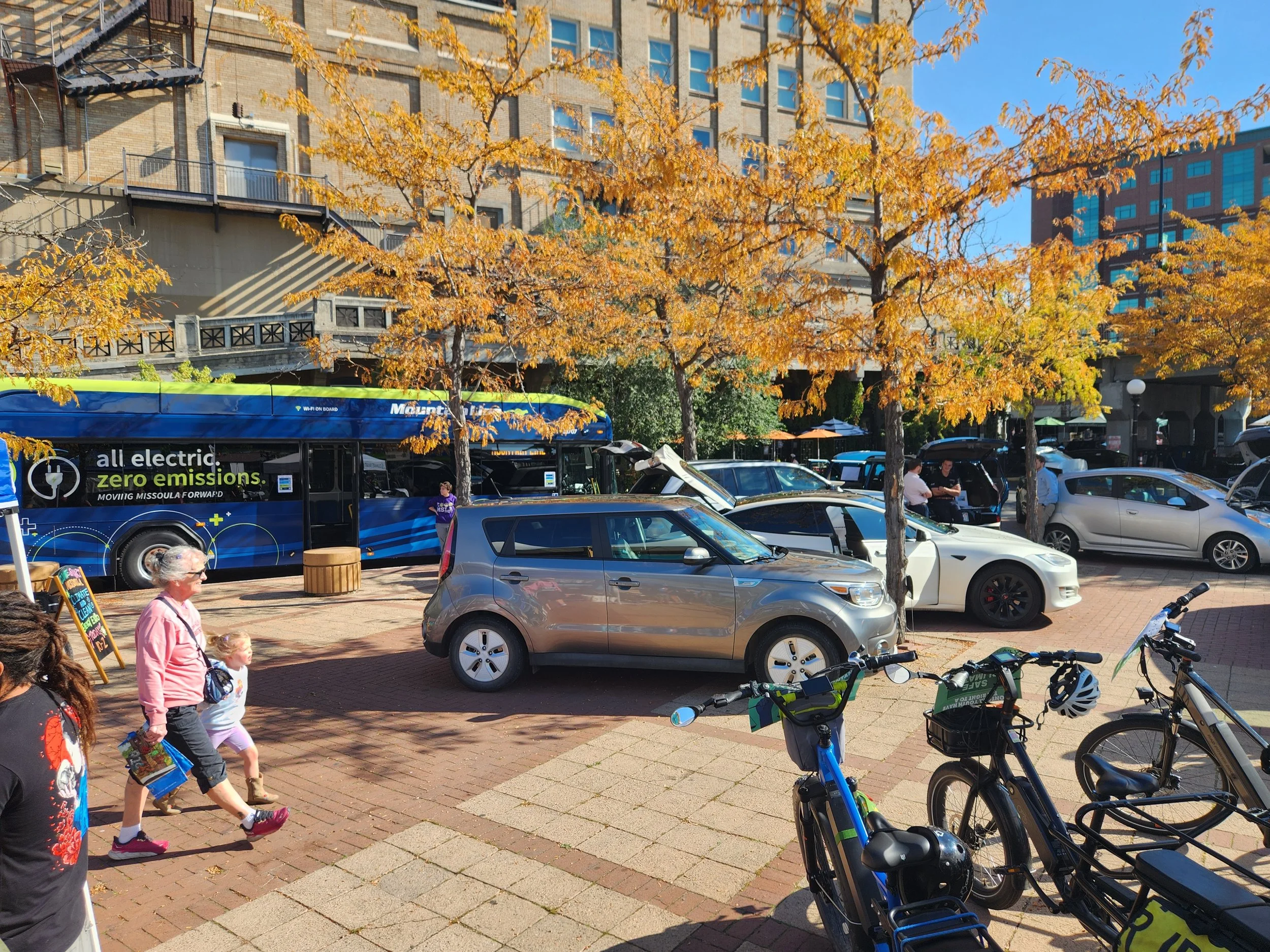
The City of Missoula has been gradually integrating electric vehicles (EVs) into its municipal fleet as part of its broader sustainability and EV infrastructure planning efforts. According to the City of Missoula Electric Vehicle Infrastructure Plan (2025), (which can be seen here: link ), the city’s total fleet consists of 463 vehicles, including 11 battery-electric vehicles (BEVs), at least 1 plug-in hybrid electric vehicle (PHEV), and 42 conventional hybrids. These numbers don’t include the city’s electric transit buses or the city’s airport, which will both be reported on separately.
The Opportunity
The city’s Office of Sustainability plays a key role in supporting municipal EV use and public charging infrastructure. The office manages a program to deploy and operate EV chargers at city facilities and coordinates planning for future charging locations to support both fleet and public use. The EV Infrastructure Plan outlines the strategic placement of charging stations to ensure accessibility for city employees while considering community equity and operational efficiency.
Fleet procurement is increasingly guided by sustainability goals, including reducing greenhouse gas emissions and operating costs. While the city has not formalized a public Green Fleet Policy like some other municipalities, the EV Infrastructure Plan sets the stage for continued expansion of electrified vehicles as vehicles are retired and replaced, prioritizing zero-emission and alternative fuel vehicles wherever feasible.
The Solution
Integration of 16 plug-in vehicles into the city fleet, with an additional 42 conventional hybrids supporting reduced fuel use, through deployment of demonstration BEVs and strategic planning for public and fleet EV charging infrastructure.
Current Actions
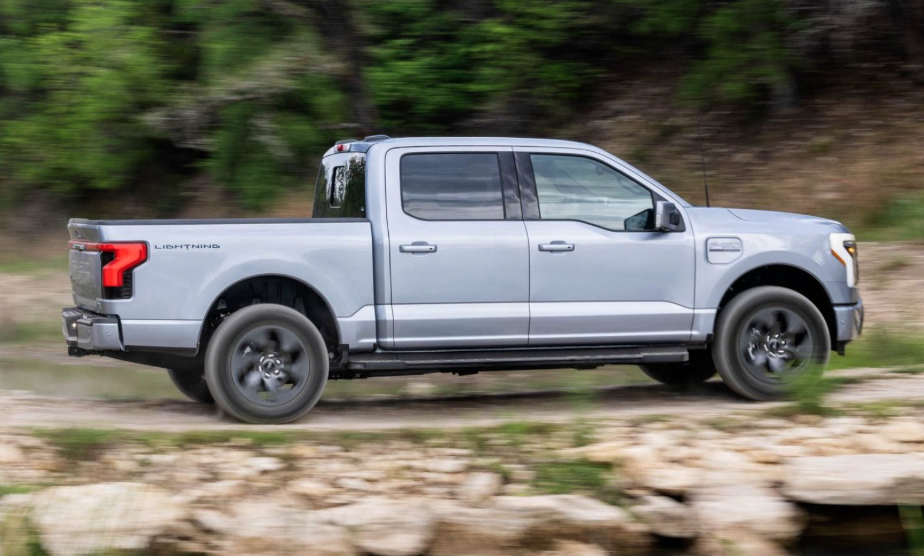
Deployment of multiple Ford F‑150 Lightning BEVs for Public Works.
Deployment of 6 Westward Industries GO-4s battery electric vehicles for Parking Commission operations.
Deployment of two Chevrolet Equinox EVs for Code Compliance operations.
Deployment of a Kia Sportage Plug-in Hybrid Electric Vehicle (PHEV) for Public Works operations.
Introduction Process
Begin with small demonstration projects to test EVs in operational roles before wider deployment. Integrate at least one regular EV into a larger fleet, allowing many to see and experience how the vehicle fits in and accomplishes many tasks better than the other ICE vehicles.
Integrate fleet planning with citywide sustainability and charging infrastructure strategies.
Prioritize partnerships between the fleet, sustainability office, local stakeholders, and the county to maximize efficiency and adoption of EVs and the related infrastructure.
The Impact
Increases awareness of EV capabilities and infrastructure planning while strengthening collaboration between the city, county, and Yellowstone-Teton Clean Cities. Ongoing efforts support charging infrastructure and a pathway toward a more sustainable, low-emission municipal fleet.
Improved awareness among city departments and residents of EV capabilities and infrastructure planning.
Establishment framework for transitioning to a more sustainable, low-emission municipal fleet in the coming years.
Ongoing collaboration between the city and the county (and YTCC) resulting in 2 newly installed Level 2 chargers within the city limits, but on county property.
Community outreach and representation
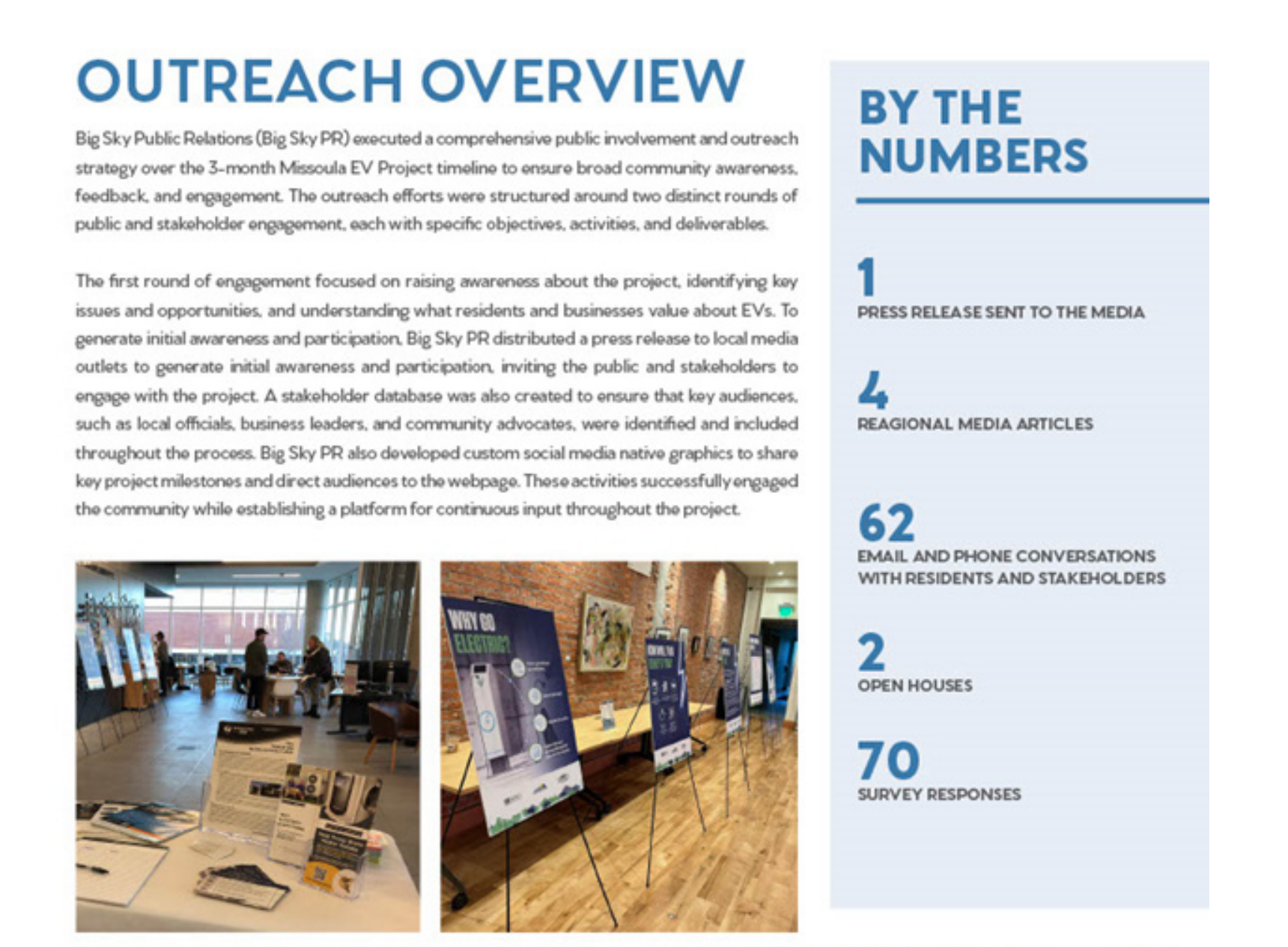
As part of the city’s Electric Vehicle Infrastructure Plan (2025), there was 1 press release sent to the media, 4 regional media articles written and published, over 60 conversations with residents and stakeholders, 2 open houses, and 70 survey responses. One of the media articles included this video coverage of an open house session (attended by YTCC): https://shorturl.at/PvEpv
What’s Next?
More about Missoula’s initial outreach efforts: