
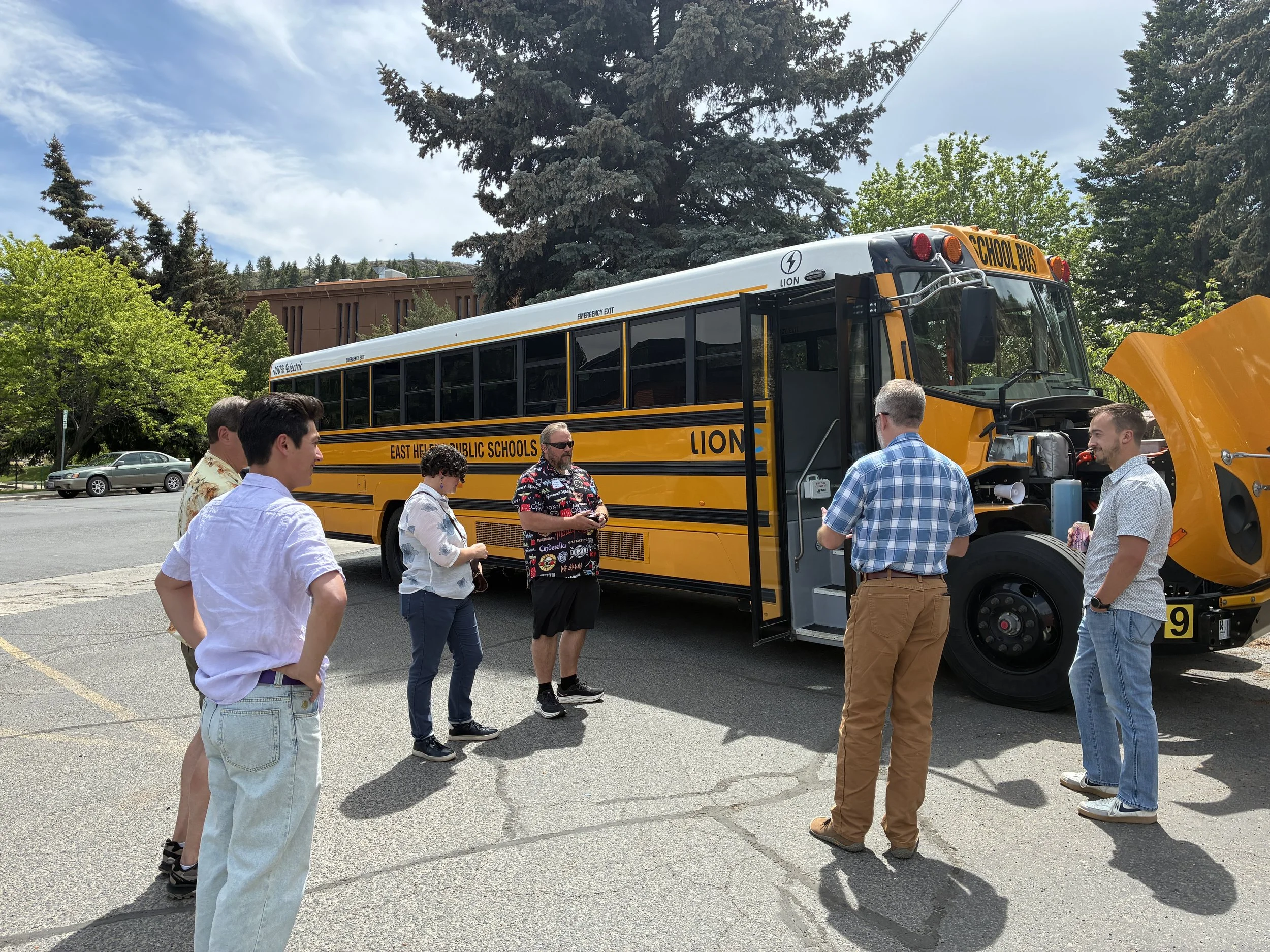
Solutions in Action
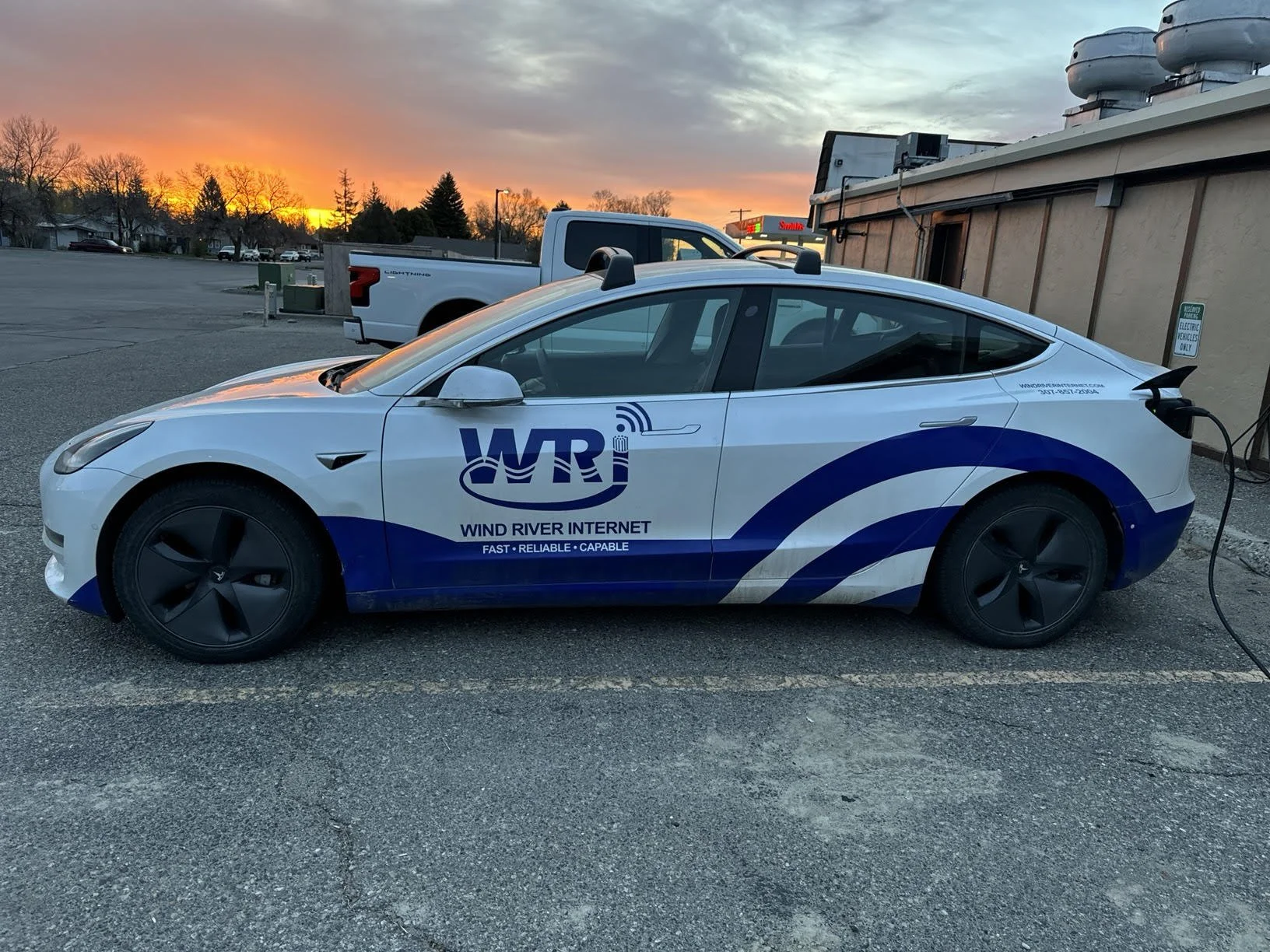
Wind River Internet Fleet
As Wind River Internet expands fiber optic internet access to homes on and around the Wind River Reservation, reliable transportation plays a critical role in connecting communities. By transitioning to a growing fleet of electric vehicles, the organization is reducing operating costs, improving reliability, and supporting a more sustainable approach to serving the region.
Grand Teton National Park
Grand Teton National Park is expanding the use of electric and alternative fuel vehicles across its fleet. This success story highlights the park's approach, results, lessons learned, and future plans for fleet electrification.
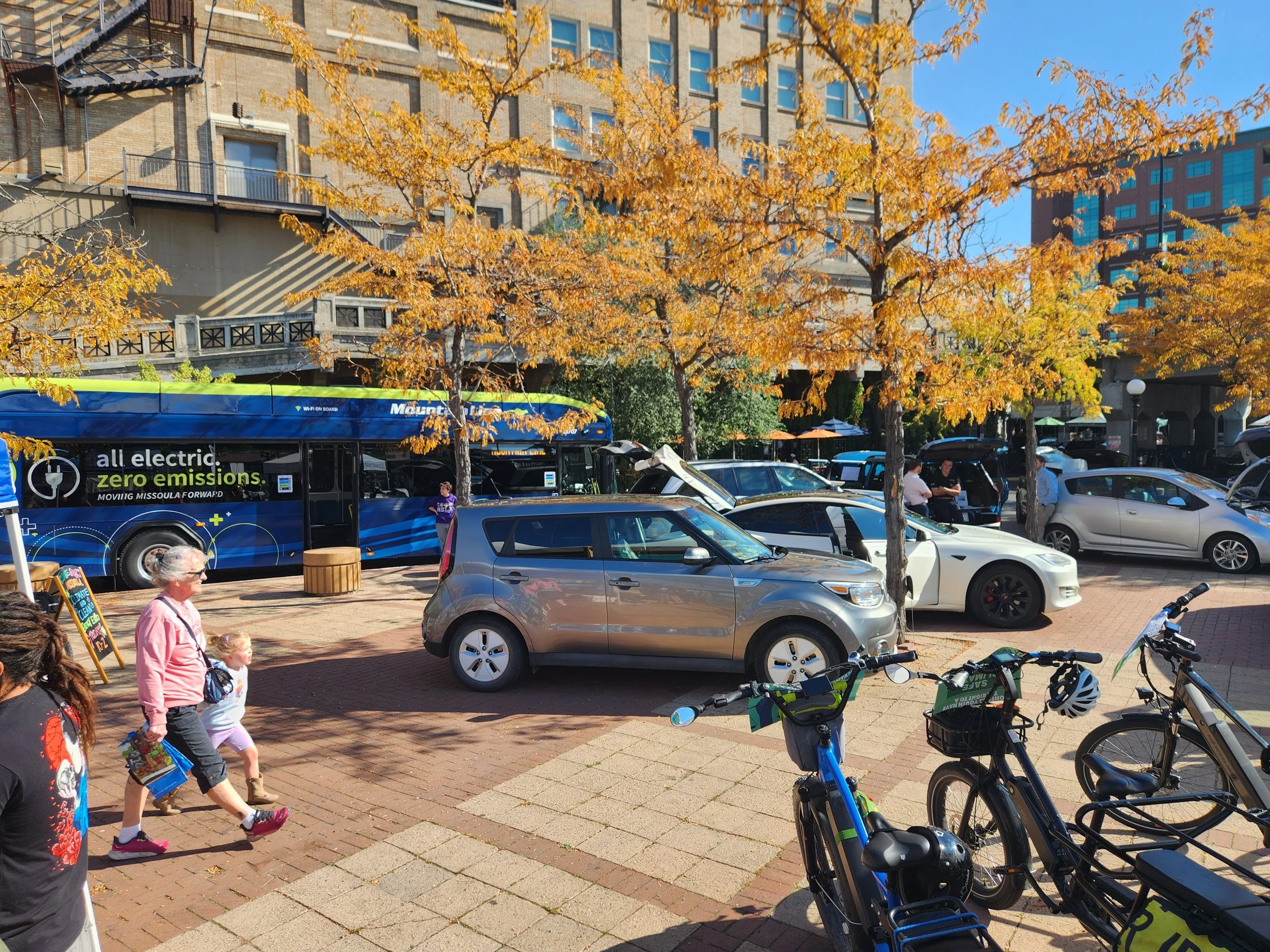
City of Missoula, MT
Missoula has positioned itself for a more sustainable transportation future by combining EV adoption with long-term infrastructure planning. The city's growing fleet of electric and hybrid vehicles, paired with strategic charging infrastructure investments and strong community engagement, provides an example of how municipalities can reduce emissions while modernizing fleet operations.
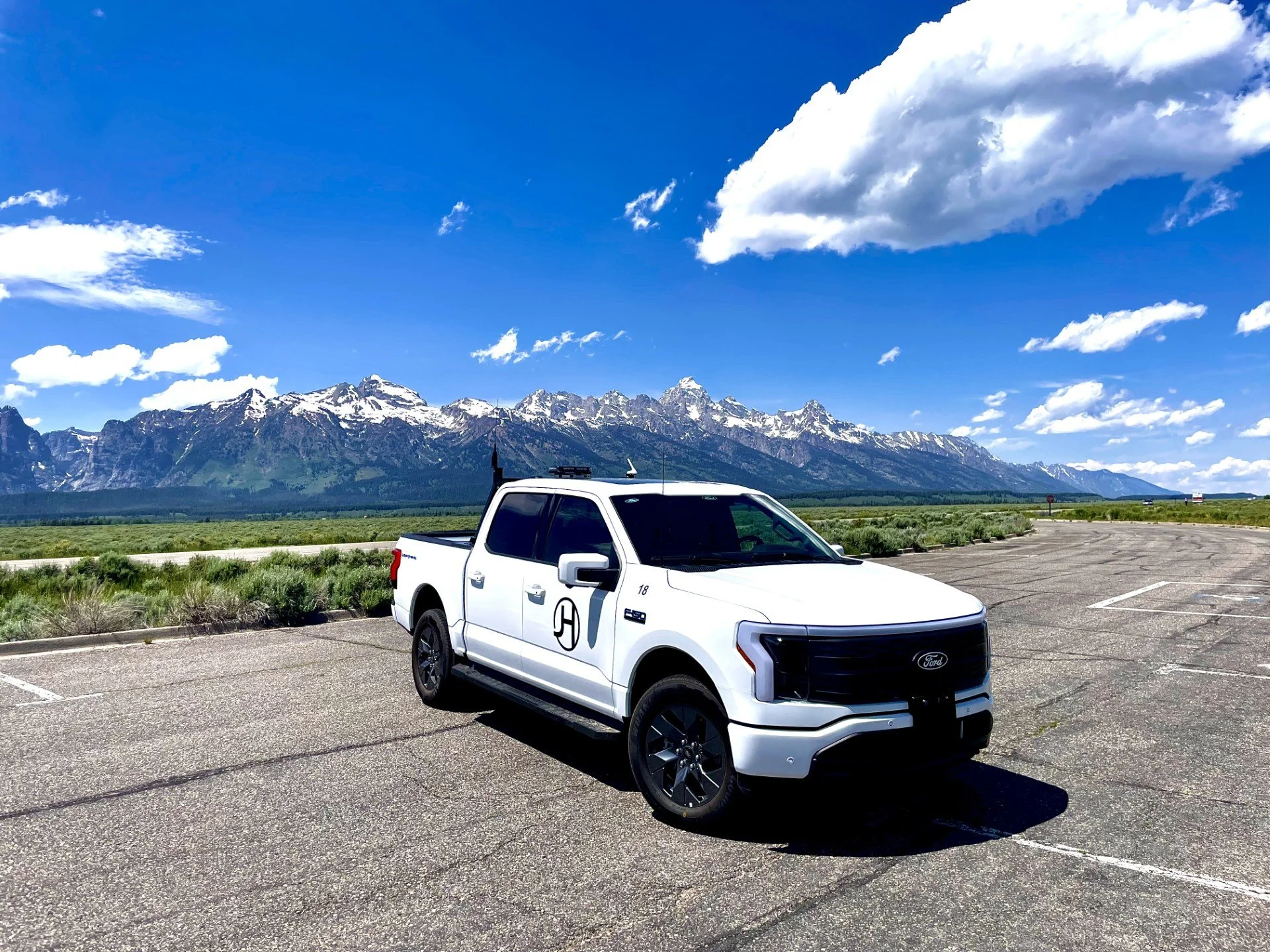
Jackson Hole Airport
Yellowstone-Teton Clean Cities has become a supportive partner of the Jackson Hole Airport as they incrementally electrify ground support equipment and reduce emissions by introducing Renewable Diesel into their fleet operations.
As the only commercial airport situated in a national park, the airport remains committed to ecosystem stewardship in order to honor the unique location they’re in.
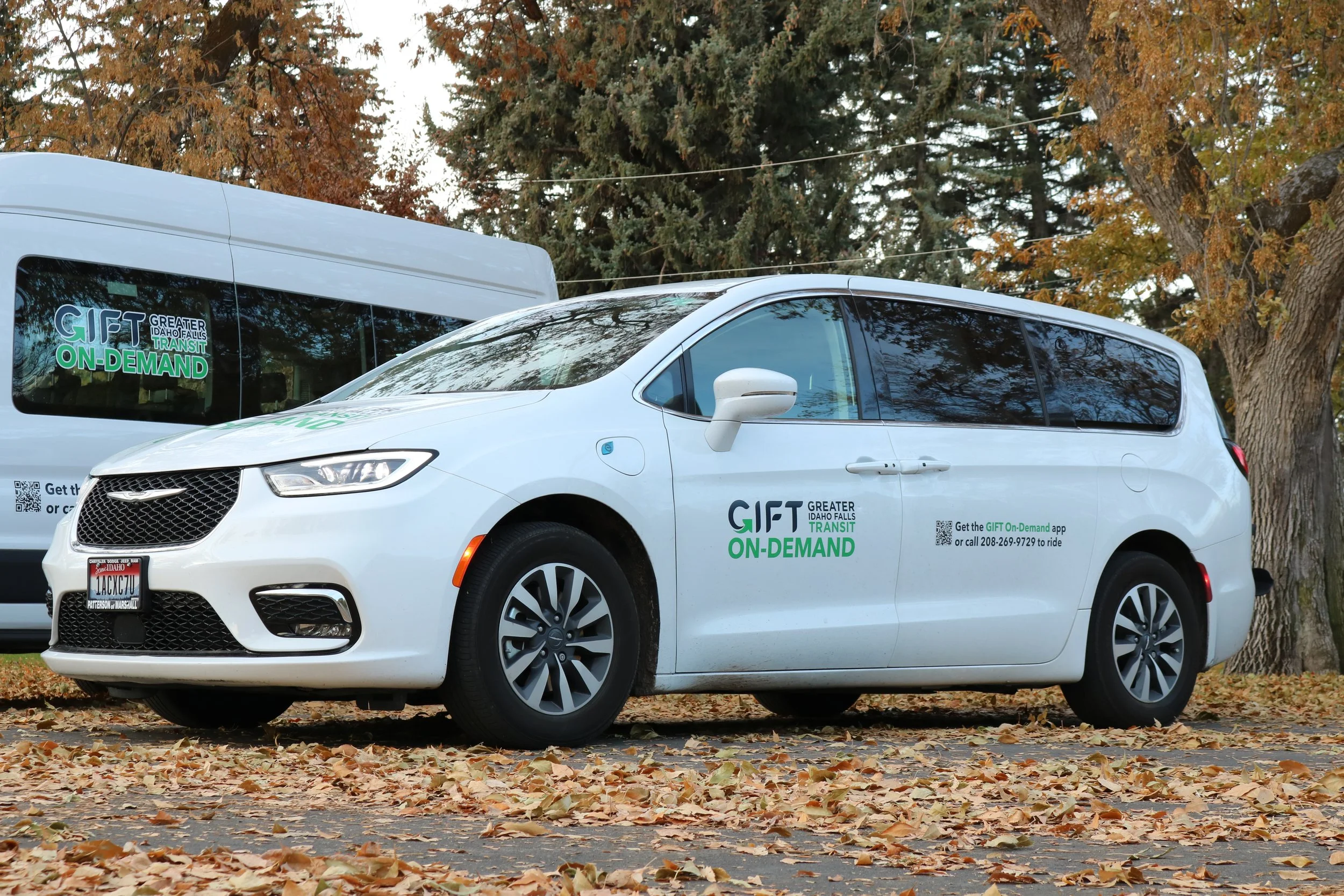
Greater Idaho Falls Transit (GIFT)
When the traditional bus service in Idaho Falls became so underutilized that the Public Transit Authority stopped running buses, the City of Idaho Falls hired a Kade Marquez as their first transit director to deploy a new type of public transit: micro transit. His experience growing up in Eastern Idaho gave him a valuable perspective on the needs of his community.
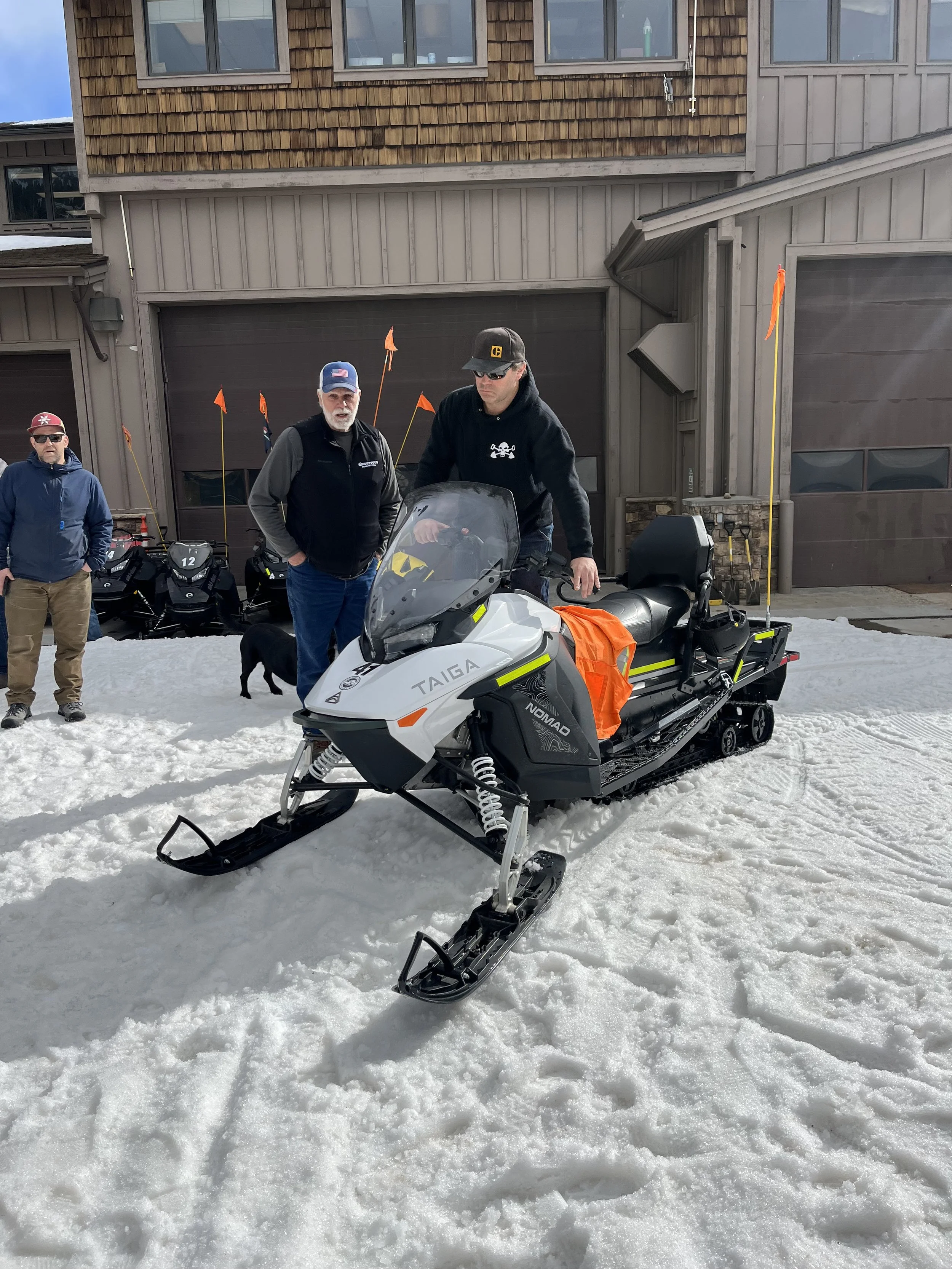
Jackson Hole Mountain Resort
Jackson Hole Mountain Resort (JHMR) has a long history of using alternative fuels to reduce emissions within their fleet operations. Over the years they have used veggie oil and biodiesel and explored the potential for compressed natural gas vehicles. In recent years they have settled into a mixture of vehicles and fuels based on the unique operational needs of a large ski area providing services for over a half million skier days annually.